As housing costs across the U.S continue to rise, many older adults lack access to adequate and affordable housing. In response to this federal crisis, The Department of Housing and Urban Development (HUD) seeks to expand subsidized housing in the Section 202 and Section 811 programs for low-income older adults. HUD should invest in structurally safe, economically, and environmentally beneficial construction materials to address the intensifying housing shortage. This paper analyzes rammed earth as a safe, cost-effective, and sustainable construction material that could address the intensifying housing shortage while reducing environmental impact.
Through interviews with construction managers, green building policymakers, and academic experts, this research evaluates rammed earth’s thermal efficiency, long-term cost benefits, and ecological advantages compared to conventional materials like concrete. Findings suggest that HUD should invest in prototypal rammed earth houses to determine optimal geographic regions for implementation while addressing gaps in safety regulations and construction protocols.
Accompanying this paper is a conceptual floorpan for a two-story housing development constructed from rammed earth, designed specifically for older adults in rural or suburban setting. Based on survey responses from older Americans collected through Shepherd's Centers of America, a non-profit organization supporting aging populations across 18 states, the design integrated accessibility features such as wide hallways, wheelchair accommodations, grab bars for safety, adequate lighting, garden spaces, and opportunities for social interaction.
Presented to EPA leads, HUD representatives, faculty members, and peers at my high school, this paper demonstrates my ability to combine academic research with actionable solutions that address pressing societal challenges while promoting sustainability.
Individual Study, The Chapin School
Year
2021-2022
• Rammed Earth: A Viable Solution for the Development of Affordable and Sustainable Housing

After cold-emailing the geotechnical engineering department during study abroad, I volunteered under Professor Giulia Viggiani in the Geotechnical & Environmental Research Group at Cambridge, analyzing particle morphology in dam collapse scenarios. Using QICPIC imaging, I characterized 10,000+ tailings particles from various disaster sites to identify shape parameters correlated with collapse risk.
This hands-on materials analysis inspired a broader investigation: a 17-page dissertation examining systemic failures behind Brazil's catastrophic mining disasters at Mariana (2015) and Brumadinho (2019), which collectively claimed nearly 300 lives and destroyed entire communities. Brazil's mining industry, a colonial legacy accounting for 5% of national GDP and 180,000+ jobs, poses severe socio-environmental risks. Through interdisciplinary analysis of neoliberal deregulation, corporate privatization, and environmental governance failures, I examined how weak governmental oversight enabled transnational corporations to establish hegemony over resource extraction, ultimately contributing to preventable catastrophes. The research underscores urgent needs for counter-hegemonic mobilization toward environmental and social justice, contributing to ongoing discussions about sustainable resource management and equitable development in resource-extractive economies.
Pembroke College Summer Programme, University of Cambridge
Year
Summer, 2024
• Analyzing Neoliberal Policies in Brazil's Mining Sector

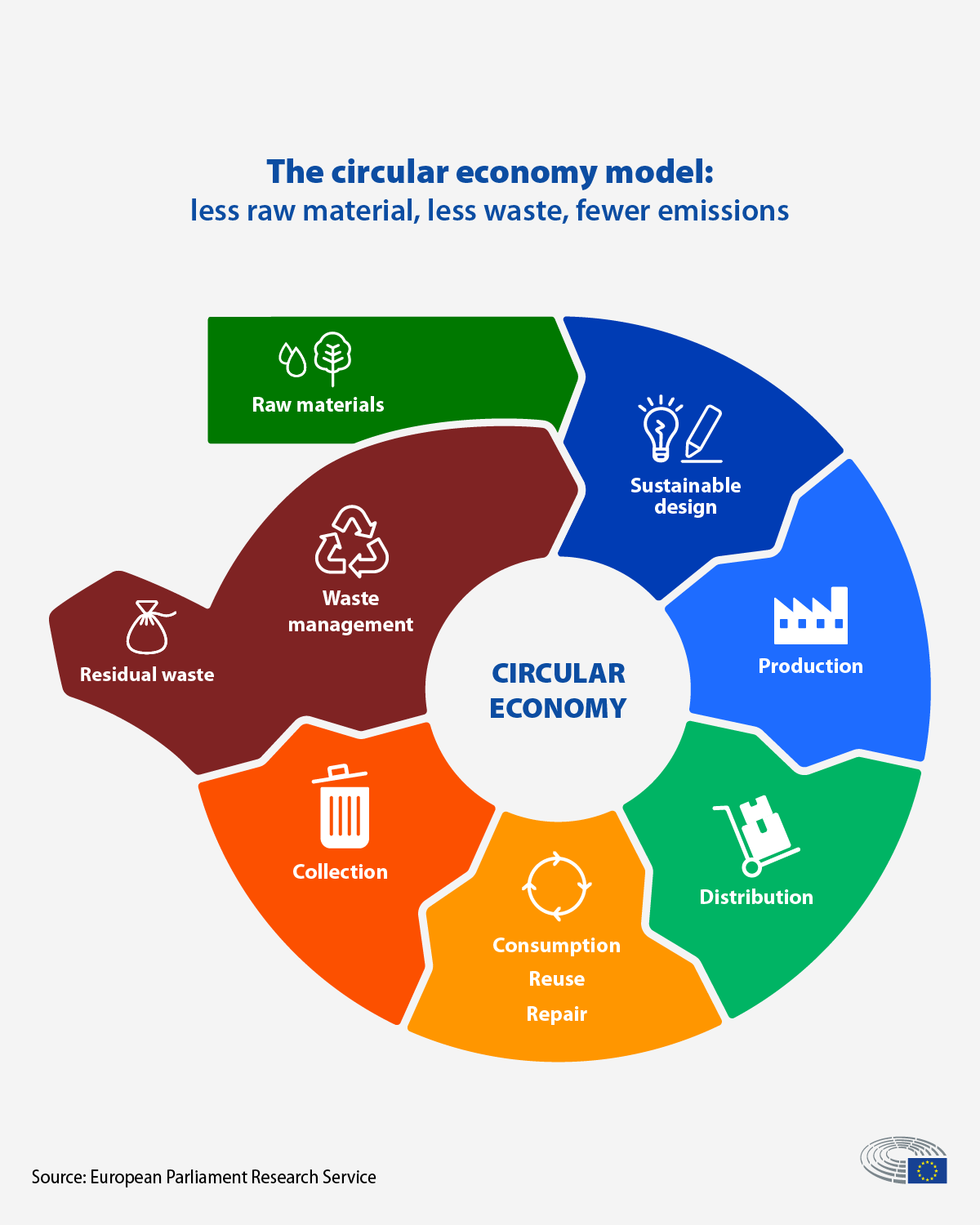
• Circular Economy Principles for Urban Regeneration
This paper, written for a course on sustainability, explores the feasibility of adopting circular economy (CE) principles as a transformative framework for urban regeneration, focusing on integrating sustainable waste management systems into mixed-use neighborhoods. By addressing systemic challenges such as urban waste, environmental injustice, and community exclusion, this research proposes planning strategies to create safer, more resilient, and greener cities.
Through case studies of global CE initiatives, including Amsterdam’s circularity goals and Stockholm’s climate-positive strategies, this paper evaluates how innovative policies can reduce waste, promote resource efficiency, and foster inclusive urban development. It also critiques potential risks such as gentrification and greenwashing while advocating for bottom-up approaches that prioritize marginalized communities most affected by climate change. By bridging theory with actionable solutions, the findings contribute to ongoing discussions about how cities can transition toward regenerative economies in response to intensifying climate challenges.
Pembroke College Summer Programme, University of Cambridge
Year
Summer, 2024
• Analyzing Low Engagement in Solar Subsidy Campaigns in Pacoima, Los Angeles
This research investigates low engagement in subsidized solar installation campaigns in Pacoima, Los Angeles (a majority working-class Latinx community) disproportionately impacted by climate injustice. Through data analysis and qualitative interviews, I examined systemic barriers such as income inequality, housing displacement concerns, and government distrust that hinder solar adoption. These findings illuminate how structural inequities perpetuate environmental and energy disparities in historically marginalized communities.
In collaboration with GRID LA and local stakeholders, I analyzed household-level data to identify key obstacles to solar participation, including poor roof conditions, language barriers, and apprehensions about government scrutiny due to unpermitted housing units. My work highlights the intersection of environmental justice and policy reform, offering data-driven recommendations to make renewable energy programs more inclusive and effective. By uncovering the root causes of solar inaccessibility in Pacoima, I aim to contribute to a future where sustainable energy is accessible to all, regardless of socioeconomic status.
The final project was presented at the 2024 UCLA Undergraduate Research & Creativity showcase: https://www.youtube.com/watch?v=VeCqZU9DEYU
Undergraduate Research Scholar (URSP and Sustainable LA Grand Challenge, UCLA)
Year
2023-2024

Living in UCLA's Courtside housing during my freshman year, I experienced firsthand how architectural design can critically impact student mental health and community formation. Despite its courtyarded layout and outdoor-oriented features, Courtside earned the nickname "retirement home" for its isolating atmosphere, so quiet that students joked you could hear a pin drop on Friday nights. When one of my roommates, a first-generation student, withdrew from UCLA due to social isolation, I sought to reimagine residential spaces through biophilic design principles.
Drawing on research showing that nature exposure reduces mental health struggles by 55% and improves well-being by 13%, I analyzed Courtside's spatial organization and proposed evidence-based interventions to transform it from isolating to community- building. Key recommendations include: relocating second-floor lounges to ground level to create fluid indoor-outdoor integration; replacing low bamboo with taller native trees for visual connection to nature; installing living walls to improve air quality during wildfire season; and shifting social programming to the central courtyard for spontaneous cross-floor interaction.
By reimagining furniture placement to maximize natural light (preventing freshman succulents from dying in dim dorm rooms), integrating vertical gardens, and creating multi-sensory habitats with native plantings and pollinator species, these feasible, cost-effective interventions demonstrate how biophilic design can nurture student mental health, foster community, and support holistic development, transforming spaces that might unintentionally undermine wellbeing into environments where students can thrive.
Introduction to Sustainable Architecture and Community Planning Course (CM 153) @ UCLA
Year
2025